
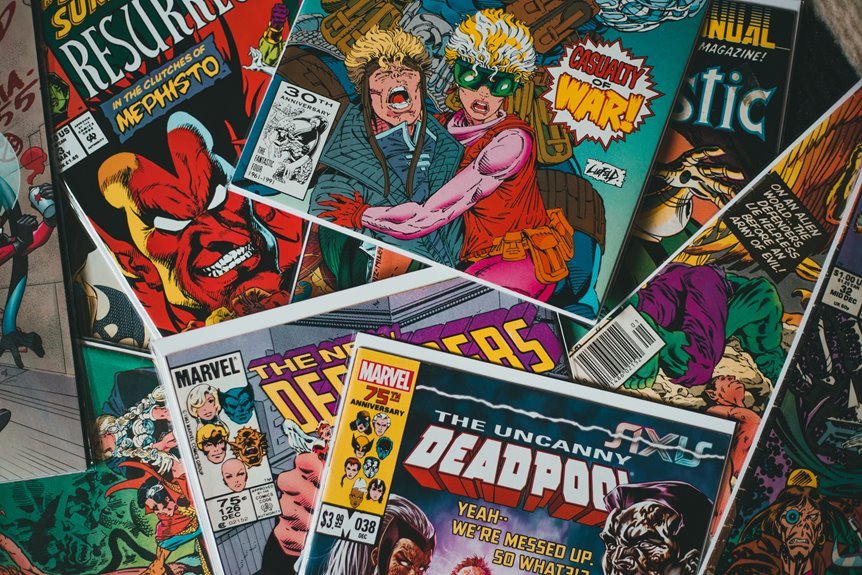
Light novels and manga occupy distinct narrative spaces. Light novels favor compact prose and sparse illustrations to foster interior reflection and slower world-building. Manga relies on sequential art and panel flow to convey motion, mood, and immediacy. These choices shape cadence, reader pacing, and interpretation, guiding audiences toward interior depth or vivid immediacy. Both formats share cross-media potential, yet each maintains a unique cadence and visual language. The question remains: which path aligns with the story’s core impulse, and why does that choice matter?
What Exactly Are Light Novels and Manga?
Light novels and manga are two distinct formats of Japanese storytelling that often address overlapping audiences. In analysis, these forms differ in structure, consumption, and emphasis. Light novels pair compact prose with occasional illustrations, while manga relies on sequential art. Their trajectories reveal light pacing and illustration emphasis as core design choices shaping reader interpretation and access across demographics.
Core Differences in Storytelling Cadence and Visual Language
The shift from discussing what light novels and manga are to examining how they tell stories hinges on observing cadence and visual language as core design choices.
Core differences emerge in immersion pacing and visual storytelling, where prose tempo in light novels fosters interior reflection, while manga relies on panel flow and composition to convey motion, mood, and sequence with immediacy.
Audience, Format, and Adaptation Pathways
Audiences for light novels and manga diverge in expectations and consumption patterns, with light novels tending toward readers who favor internal narrative depth and slower world-building, while manga attract those seeking immediate visual storytelling and episodic pacing.
Abstract vs. Narrative frames how format informs adaptation pathways, yet both media share serialization trajectories, transitioning from panel to page to cross-media continuity within archival, evaluative study of audience reception.
How to Choose Between Reading Formats (Or Enjoying Both)
For readers weighing format choices, the decision often reflects preferences shaped by prior exposure to both media forms. Choices function as patterns: theme vs format guides expectations, while reading pace vs artwork determines engagement tempo and sensory emphasis.
A balanced approach favors experimentation—alternate formats by scene or mood, or enjoy concurrently. Freedom lies in selecting resonance over rigid allegiance, preserving curiosity.
Frequently Asked Questions
Do Light Novels or Manga Have Different Cultural Origins?
Light novels and manga share distinct cultural origins within Japanese publishing, yet both reflect broader East Asian media influence; their trajectories illustrate varied cultural origins and media adaptation practices, shaping audiences that seek freedom through serialized storytelling.
Which Format Offers Quicker Storytelling: Chapters or Pages?
Chroniclers note that pages enable quicker storytelling, due to immediate progression; chapters impose pauses. This format offers quick pacing and visual narration, with rapid shifts. Analysis emphasizes freedom-loving audiences seeking concise, arc-driven consumption of scenes and events.
How Do Fan Translations Affect Perceived Quality?
Fan translation can shape perceived quality by introducing varying fidelity, consistency, and localization choices; audiences judge accuracy, readability, and cultural nuance, with perceived quality correlating to source faithfulness, translation fluidity, and the transparency of edits within archival discussions.
Are There Notable Differences in Character Design Across Formats?
Character design evolution shows notable shifts across formats due to artistic interpretation vs. source material, with adaptations translating silhouettes, expressions, and pacing differently; archives reveal how studio constraints and fan expectations shape enduring stylistic trends in each medium.
Can Manga Adaptations Diverge From Their Source Novels?
Manga adaptations can diverge from their source, reflecting editorial decisions and pacing; such changes illustrate source discrepancy. This analytical, archival description notes how panels, timing, and visual emphasis reinterpret character and plot for a freedom-seeking audience.
Conclusion
In the archive of storytelling, light novels are a quiet library, its shelves shaded by interior thought and deliberate pace; manga, by contrast, is a bustling gallery, panels arranged for immediate motion. Between them stands a bridge of readers who choose入口 or adornment, who value inner reflection or visual immediacy. When one cross-examines cadence and language, not either-or but both, the archive expands, revealing that narrative form flourishes wherever attention is trained and curiosity is kindled.
