
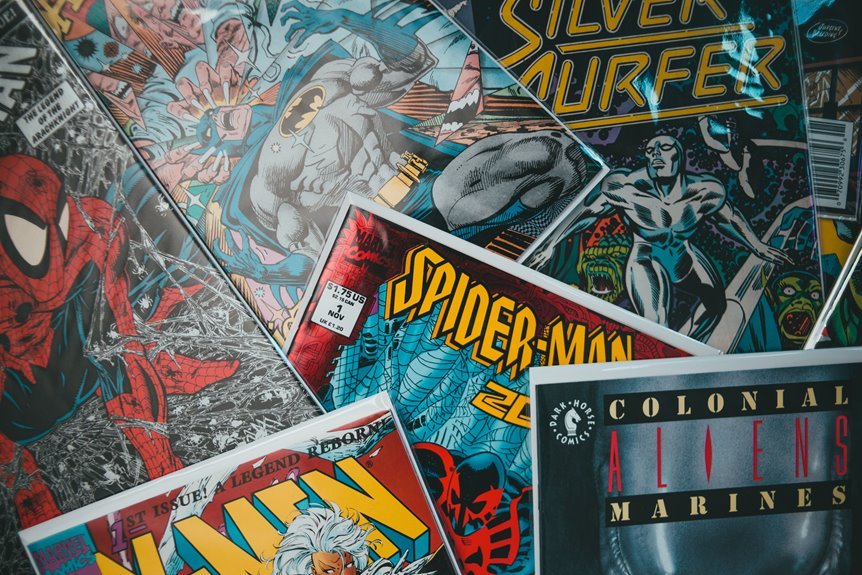
Light novels and manga fulfill distinct storytelling needs. Prose allows deeper internal monologue and gradual pacing, while panels deliver immediate impact and visual cadence. The choice hinges on preference for textual depth versus quick, image-driven momentum. Hybrid editions blend these strengths, offering balanced texture and pace. The decision reveals what the audience values—atmosphere, stakes, and tempo. Yet the tradeoffs leave a lingering question: which format preserves a story’s core most faithfully as the pages turn?
How Light Novels and Manga Solve Different Storytelling Needs
Light novels and manga address distinct storytelling needs by leveraging their respective formats. The prose medium permits vivid worldbuilding through internal perspective, exposition, and pacing control, while panel driven tension in manga translates ideas into visual rhythm, framing, and immediacy. Each medium optimizes clarity and freedom, selecting detail and sequence to convey atmosphere, character, and stakes without redundancy or fluff.
What Readers Value: Prose Depth vs Visual Pacing
Prose depth and visual pacing cater to different reader preferences, with each format granting distinct access to story mechanics. The analysis contrasts prose depth’s immersion and internal reasoning with visual pacing’s immediate scene geometry and rhythm.
Emphasis on characterization focus reveals how adaptive illustration shapes perception, while prose depth sustains nuance.
Visual pacing, by contrast, foregrounds tone, mood, and rapid event signaling.
A Practical Comparison: How to Decide Between Them
To decide between light novels and manga, a practical framework compares format-specific strengths in accessibility, pacing, and narrative control. The comparison emphasizes audience led pacing and illustration quality, revealing efficiency in prose-based immersion versus visual cadence.
Light novels offer deeper internal exposition with steady pacing, while manga provides immediate scene impact and collaborative storytelling. Selection hinges on priority: textual depth or visual immediacy.
Crossover Magic: When Editions Blend Light Novel and Manga Vibes
Crossover strategies emerge where editions blend light novel prose with manga-like pacing, producing a hybrid cadence that leverages both textual depth and visual momentum. This crossover tone creates measurable shifts: narrative tempo quickens without sacrificing detail, while panel rhythm supplements exposition.
Compared to pure formats, edition blending clarifies intent, balancing atmosphere and clarity, and revealing strategic pros and cons for freedom-seeking readers.
Frequently Asked Questions
Do Adaptations Require Altering Canonical Endings?
Adaptation differences often necessitate alterations to Canonical endings, though not universally. Financial, pacing, and audience considerations drive choices, yielding variations in tone or closure. The question: do adaptations require altering canonical endings? Not necessarily, but frequently occur.
Which Format Is Better for World-Building?
Manga offers immediate visual world-building depth through scenery and detail; light novels emphasize internal world-building and pacing differences via prose. Compared analytically, the format that favors world-building depth depends on reader preference for imagery versus introspective pacing.
How Do Fan Translations Affect Availability?
Fan translations primarily increase availability by accelerating translation speed and expanding fan communities, though quality varies; this enhances access but may introduce inconsistencies, licensing concerns, and potential market disruption, inviting comparative evaluation of reliability versus inclusivity and autonomy.
Are There Cost Differences Between Formats?
Price distinctions exist between formats: light novels generally cost more upfront than manga volumes, while digital editions may reduce per-item expense. Overall, format accessibility influences total spend, with bundled subscriptions sometimes narrowing long-term cost differences.
Can Manga Enhance What a Light Novel Pauses?
Manga can enhance what a light novel pauses, offering accelerated manga pacing through visual sequences, while illustration style provides immediate atmosphere. Compared to prose, it integrates timeline compression and emotive detail, appealing to audiences seeking freedom in narrative tempo.
Conclusion
Light novels satisfy appetite for internal thought, elaborate worldbuilding, and deliberate tempo, while manga delivers immediate momentum through image-driven scenes and cinematic framing. Readers prioritizing prose depth will favor the former; those seeking rapid, visceral storytelling may prefer the latter. Practical choice hinges on pacing tolerance, engagement style, and desired atmosphere. Crossover editions blend both strengths, offering accessible visuals with textual nuance. Anticipated objection: “I read faster with manga.” Visual cadence can still convey complexity when paired with concise prose, preserving depth without sacrificing pace.
