
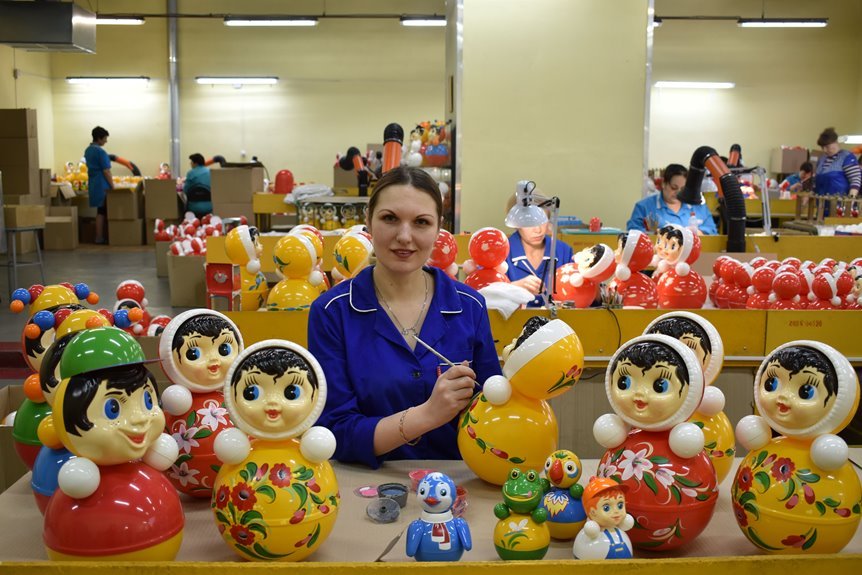
Prokaihaz-based toys prompt careful evaluation across safety, durability, and environmental impact. Evidence on toxicology and exposure informs risk assessments and material choices. Independent trials emphasize injury-minimizing features, repeatable performance, and modular designs that support safe, imaginative play. Lifecycle considerations, responsible disposal, and gentle cleaning with mild cleaners are advised. While promising design options exist, the balance between creativity and protection remains under scrutiny, inviting ongoing analysis of standards and practical safeguards.
What Is Prokaihaz and Why It Matters for Toys
Prokaihaz is a chemical compound whose properties, safety profile, and environmental impact require careful evaluation before consideration for toy production. Its origins remain debated, with reports linking synthetic routes and natural trace components. Prokaihaz safety demands rigorous toxicological data and exposure assessments. Prokaihaz origins influence regulatory risk; Prokaihaz safety shapes material selection, testing protocols, and design constraints for child-oriented products.
Safety, Durability, and Play-Test Results
Safety, durability, and play-test results form the core evidence base for evaluating toys composed of Prokaihaz-derived materials. The assessment presents observed safety testing outcomes and durability metrics, emphasizing repeatability and transparency. Independent trials report injury-minimizing designs and material resistance under typical play, with caveats about sample size and environmental variation. Conclusions remain provisional, guiding cautious consumer judgment and further validation.
Design Innovations That Spark Creativity
Design innovations that spark creativity center on modular, open-ended features that encourage imaginative play while preserving safety and durability.
The discussion cites controlled trials and material science analyses, detailing how interchangeable components support diverse constructions without compromising safety testing protocols.
Observers note that intentional variability in form fosters creativity, yet remains bounded by rigorous standards, ensuring reliable performance across ages and play contexts.
Environmental Impact and Care Tips for Prokaihaz Toys
Environmental considerations for Prokaihaz toys are evaluated alongside durability and safety outcomes observed in design studies, focusing on lifecycle impacts from production to end-of-life use.
The environmental impact is examined through material sourcing, manufacturing emissions, and potential recycling pathways.
Care tips emphasize gentle cleaning, avoidance of harsh solvents, and proper disposal, ensuring safe handling and extending product lifespan.
Frequently Asked Questions
Is Prokaihaz Legal for Children’s Toys in All Countries?
Prokaihaz legality varies; not universal. Prokaihaz safety standards differ across jurisdictions, and international regulations are unevenly harmonized. Researchers emphasize caution, urging adherence to local testing and approvals before distribution to children, given potential toxicology concerns and regulatory gaps.
How Is Prokaihaz Recycled Into New Toys?
Prokaihaz recycling processes are not documented; thus, how is prokaihaz recycled remains uncertain. Safety testing protocols would require rigorous, standardized evaluation. The methodology should be cautious, precise, evidence-based, and transparent, aligning with audiences seeking freedom and informed choices.
Are Prokaihaz Toys Suitable for Toddlers Under 3?
Prokaihaz toys are not recommended for toddlers under 3 due to potential choking and safety concerns. Prokaihaz safety evidence suggests limited suitability. Toddler playtime guidelines emphasize age-appropriate materials, supervision, and ongoing risk assessment for informed parental choices.
What Ages Are Recommended for Prokaihaz Toy Lines?
Are there recommended ages for Prokaihaz toy lines? Prokaihaz safety testing suggests suitability varies by model; packaging design outlines age guidelines. The answer remains cautious, precise, evidence-based, and mindful of audiences seeking freedom, noting gradual, monitored introduction for certain age groups.
Do Prokaihaz Toys Require Special Cleaning Beyond Soap?
Prokaihaz safety indicates no extraordinary cleaning beyond soap and water; however, cleaning guidelines suggest avoiding harsh chemicals. The object should be air-dried and inspected for damage. Evidence-based caution implies routine checks before child interaction. Freedom-focused users value practicality.
Conclusion
This assessment emphasizes caution, precision, and evidence across the Prokaihaz toy landscape. It highlights safety benchmarks, durability tests, and responsible disposal as foundations for trust; it confirms ongoing toxicology reviews and exposure analyses to guide use. It notes modular, injury-minimizing designs that support creativity while maintaining protection; it identifies lifecycle considerations and gentle maintenance as core practice. It affirms independent trials, standardized protocols, and transparent reporting to inform consumers, designers, regulators. It concludes with vigilant, data-driven decision-making.
