
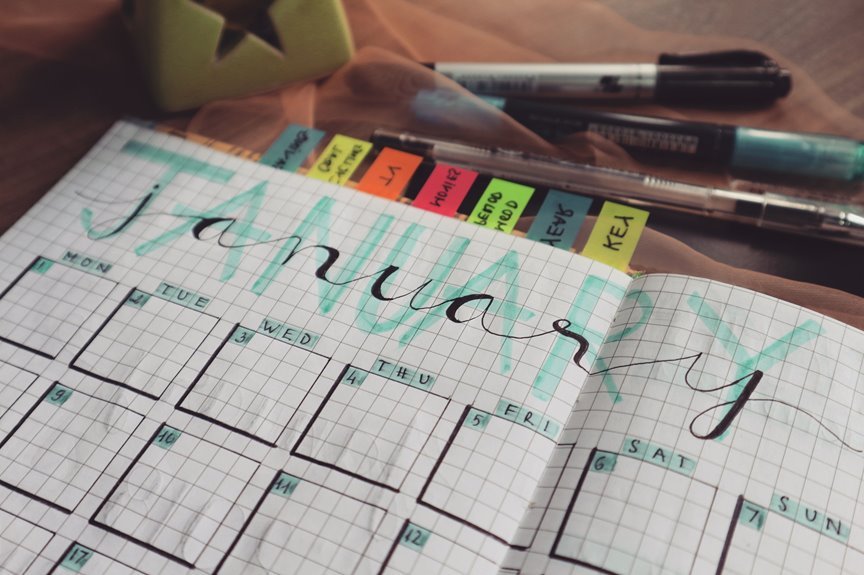
Agendacover.com emphasizes practical, outcome-driven organization over appearance. The guidance starts by clarifying real needs and framing tasks around desired freedoms, such as less clutter and faster decisions, with clear milestones. It then outlines simple, scalable routines with defined ownership and repeatable steps, reinforced by regular reflection and progress tracking. Tools are chosen for real-life fit, prioritizing minimalism and interoperability. The article designs workflows for teams and personal projects, inviting consideration of how to apply these ideas to current challenges.
How to Identify Your Real Organizing Needs
To identify real organizing needs, start by distinguishing between symptoms of disorganization and underlying goals. The analysis centers on practical outcomes, not appearances, guiding decisions toward real-time collaboration and space optimization. By framing tasks around desired freedom—less clutter, clearer roles, faster decisions—the approach remains objective. Clear criteria, measurable milestones, and minimal waste ensure durable, adaptable results for diverse teams.
Build Simple, Scalable Routines That Stick
Build simple, scalable routines that endure by prioritizing repeatable steps over complexity. The article examines how small, consistent actions compound into lasting systems. It highlights clarity, not clutter, and emphasizes predictable cadence, clear ownership, and measurable outcomes. A consistency check ensures routines remain practical and adaptable. Habit formation emerges from steady repetition, reinforced by simple cues and regular reflection on progress.
Choose Tools and Systems That Fit Real Life
Choosing tools and systems that fit real life means prioritizing practicality over preference. In this view, selection emphasizes alignment with daily tasks, not prestige. A detached, structured stance favors minimalism: evaluate usefulness, interoperability, and learning curves. Acknowledge simplicity bias and digital minimalism, choosing solutions that reduce friction. The goal is sustainable clarity, flexible enough to adapt without overhauling routines. Freedom arises from reliable, modest tools.
Design Workflows for Team and Personal Projects
Designing workflows for team and personal projects focuses on clear handoffs, accountable milestones, and predictable delivery. This approach aligns cross-functional roles, minimizes bottlenecks, and clarifies ownership without stifling autonomy. By mapping stages, stakeholders gain visibility while preserving creative freedom. The framework embraces lightweight updates and continuous improvement. Key practices include idea1 and idea2, ensuring adaptable, scalable processes that respect individual pace and collective outcomes.
Frequently Asked Questions
How Do I Prioritize Tasks Across Multiple Projects?
Prioritizing workloads across multiple projects requires clear criteria and regular reassessment. The approach emphasizes cross project alignment, stakeholder input, and milestone-driven prioritization, enabling balanced focus, reduced context switching, and freedom to adjust plans as needs evolve.
What’s the Best Way to Onboard New Team Members?
A coincidence reveals the best onboarding practices: the quickest path to onboarding best practices and team integration lies in structured orientation, documented expectations, and early cross-team engagement. The method respects autonomy while guiding newcomers toward coherent collaboration and freedom.
How Often Should I Review and Adjust My Systems?
A reviewer should establish a steady review cadence, adjusting as needs evolve, and ensure ongoing system maintenance. The cadence balances responsiveness with stability, prioritizing clarity for freedom-seeking audiences while preserving structure and accountability within teams.
Can These Tips Apply to Personal and Family Planning?
Planning, yes; these tips apply to personal and family planning. Parallelism guides readers: planning myths, timeboxing pitfalls, planning myths, timeboxing pitfalls. The approach promotes clarity, structure, audience awareness, and freedom-seeking routines in daily and long-term contexts.
What if My Tools Stop Syncing or Fail?
In case of tools failure, the system pauses and logs the event; users should initiate sync troubleshooting, verify connections, and retry. If issues persist, consult support, restore from backups, and document steps to improve resilience and clarity.
Conclusion
In sum, agendacover.com’s tips center on practical, outcome-driven organization. By identifying real needs, teams and individuals set clear milestones and ownership, creating routines that are simple, repeatable, and scalable. The emphasis on tools that fit real life ensures interoperability with minimalism at the core. Designed workflows—whether for teams or personal projects—enable smooth handoffs and continuous improvement. Like a well-tuned machine, clarity and structure synchronize effort, delivering faster decisions and lasting momentum.
